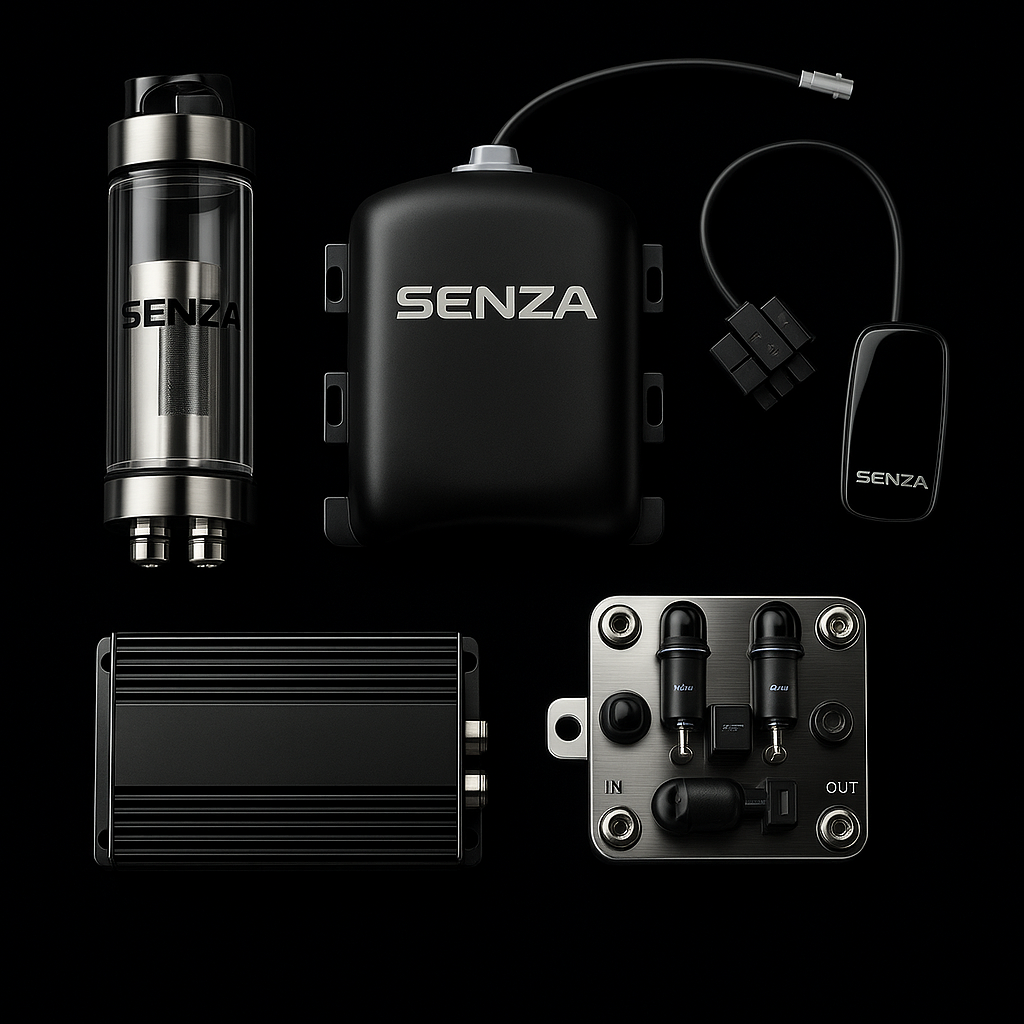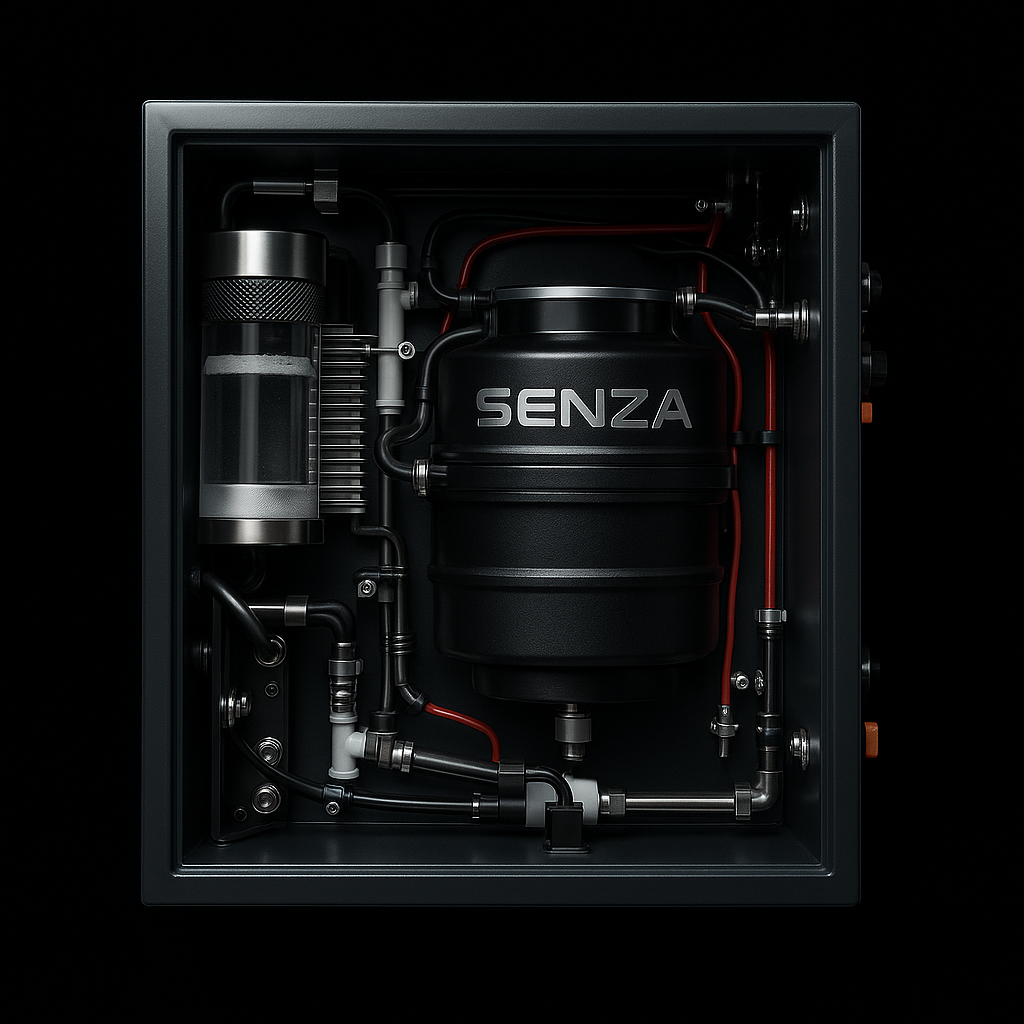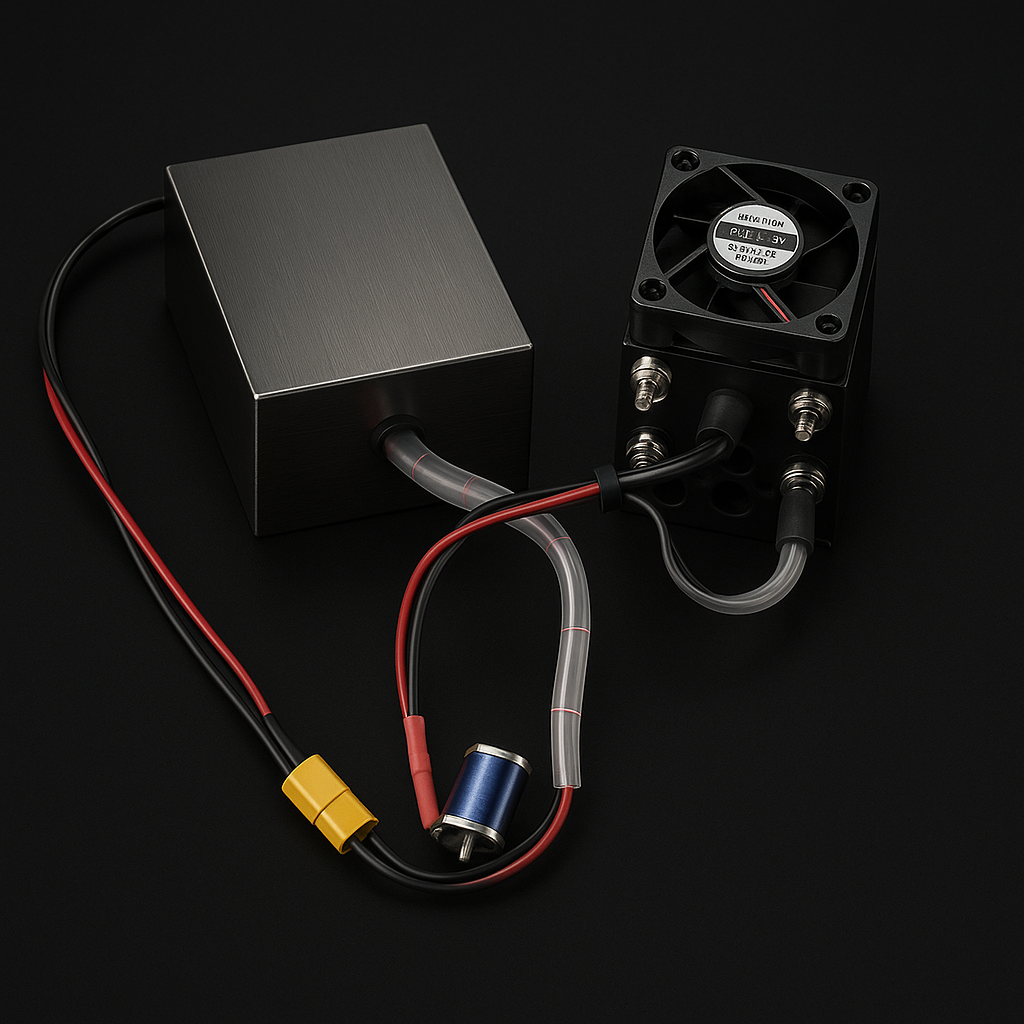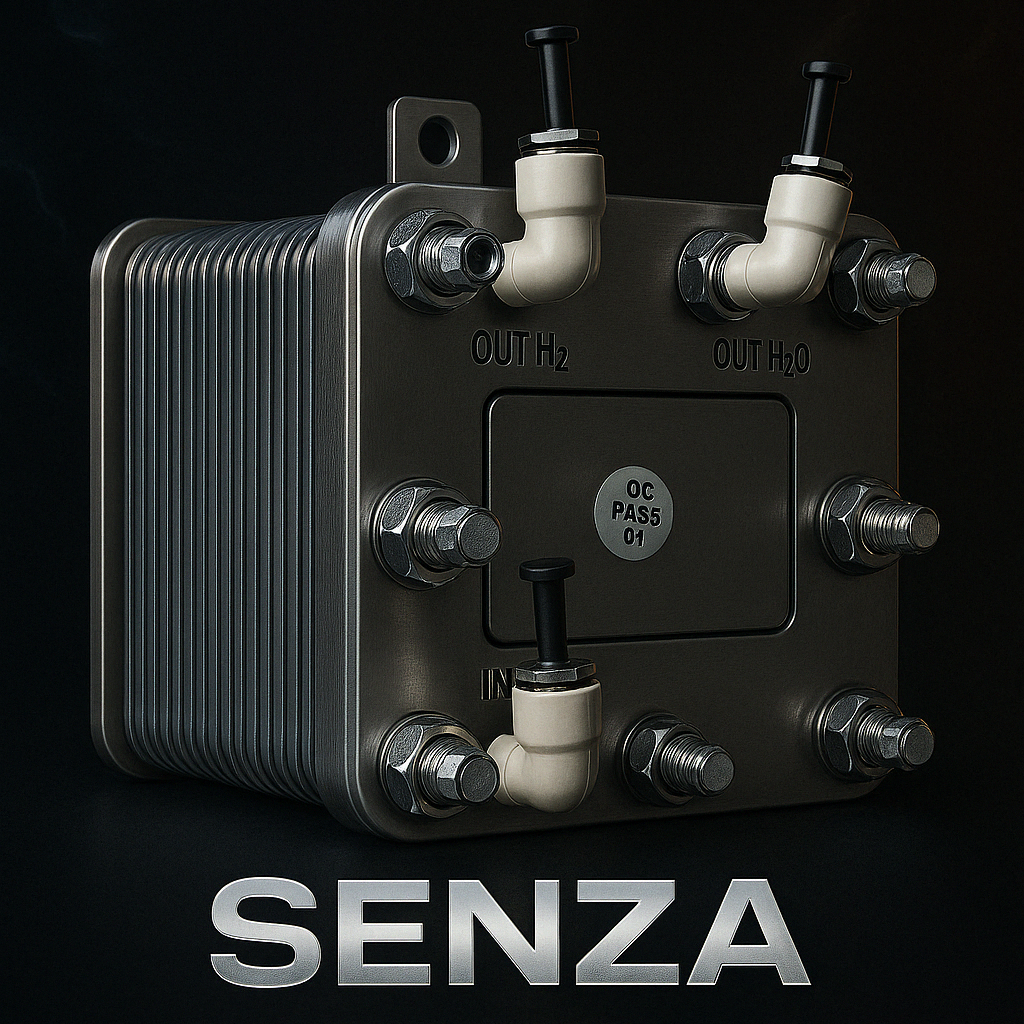
SENZA PEM Hydrogen Generator
from395,00 €
Max Hydrogen Purity: 99.995%+ Small Size No Corrosion High Efficiency Just Need Pure Water
Available versions
| Model | Price |
|---|---|
| SZPE-150 | 395,00 € |
| SZPE-300 | 495,00 € |
| SZPE-600 | 675,00 € |
| SZPE-1000 | 1.150,00 € |
| SZPE-1500 | 1.595,00 € |
| SZPE-2000 | 1.995,00 € |
| SZPE-3000 | 2.695,00 € |
| SZPE-5000 | 3.595,00 € |
- Secure checkout via PayPal or bank transfer (prepayment).
- Questions? Contact our team.
Description
About PEM Hydrogen Generators
Unlike traditional alkaline water electrolysis, PEM (Proton Exchange Membrane) electrolysis uses a solid polymer electrolyte—typically a perfluorosulfonic acid membrane—known for its excellent chemical stability, high proton conductivity, and superior gas separation capabilities. This membrane replaces the asbestos diaphragms used in alkaline systems, significantly improving the safety and efficiency of the electrolyzer by preventing unwanted electron transfer.
Key Differences Between PEM and Alkaline Electrolyzers
PEM electrolyzers stand out for their compact design, faster response times, higher hydrogen purity, and ability to operate under dynamic load conditions, making them ideal for renewable energy integration.
Structure of a PEM Water Electrolyzer
The main components of a PEM water electrolyzer include:
-
Proton Exchange Membrane (PEM)
-
Cathode and Anode Catalyst Layers
-
Gas Diffusion Layers (GDLs)
-
End Plates (Cathode & Anode sides)
At the core lies the Membrane Electrode Assembly (MEA), composed of the diffusion layers, catalyst layers, and the PEM itself. This assembly is where the majority of material transport and electrochemical reactions take place.
The structure and properties of the MEA are crucial, as they directly influence both the performance and longevity of the PEM electrolyzer.