Generators
PEM & Alkaline Generators
Advanced Hydrogen Technology: PEM & Alkaline Generators
Explore Applications with SENZA
Our hydrogen generators, available in PEM (Proton Exchange Membrane) and Alkaline (ALK) technologies, serve a wide range of applications—from automotive and industrial systems to stationary energy and maritime use. Whether your goal is to retrofit vehicle fleets, decarbonize your operation, or improve energy efficiency, we offer the right solution for your needs.
Both generator types are engineered to integrate seamlessly into existing systems and can be tailored to meet specific industry requirements.
Sustainable Energy Solutions
Choosing hydrogen as an energy carrier means committing to a cleaner, more sustainable future. Our PEM and Alkaline hydrogen generators are designed to support that transition:
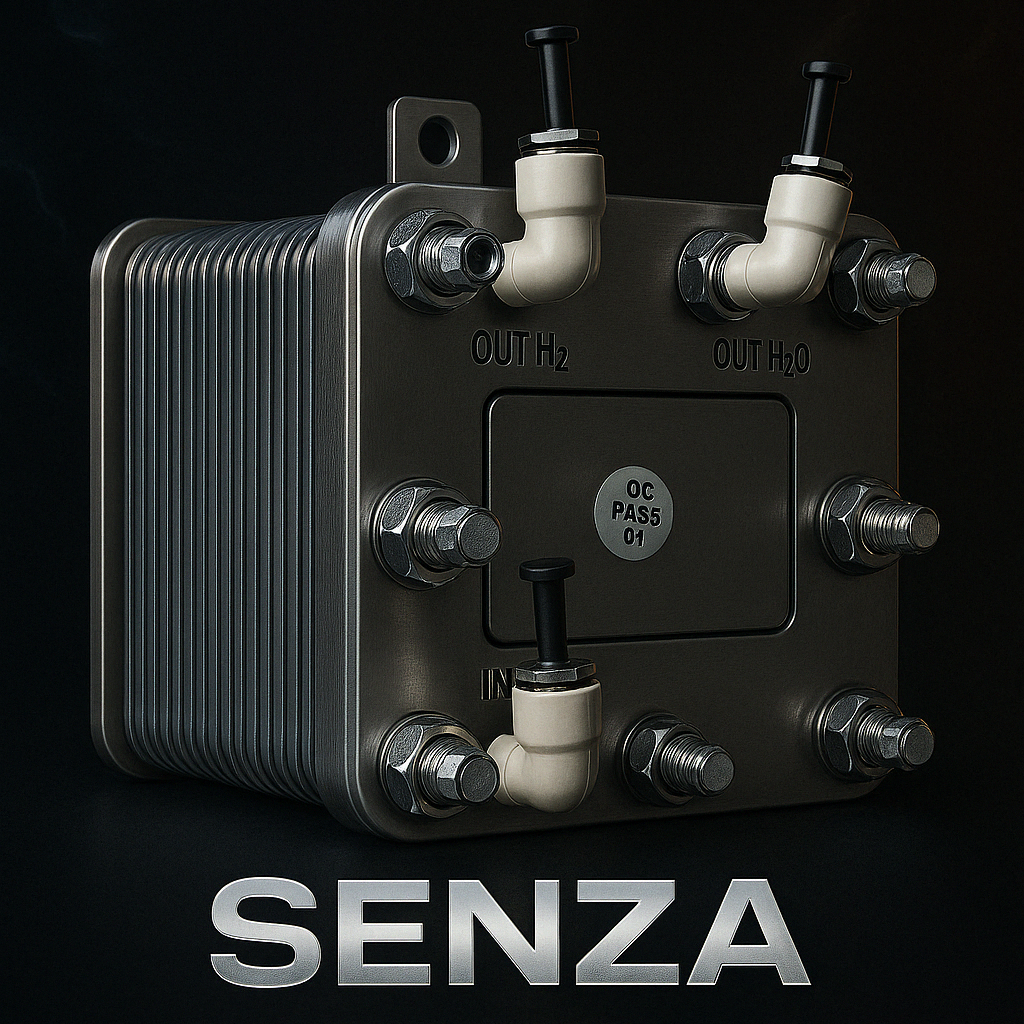
PEM generators use pure water and produce hydrogen safely and efficiently, making them ideal for mobile and compact applications such as vehicles and portable systems.
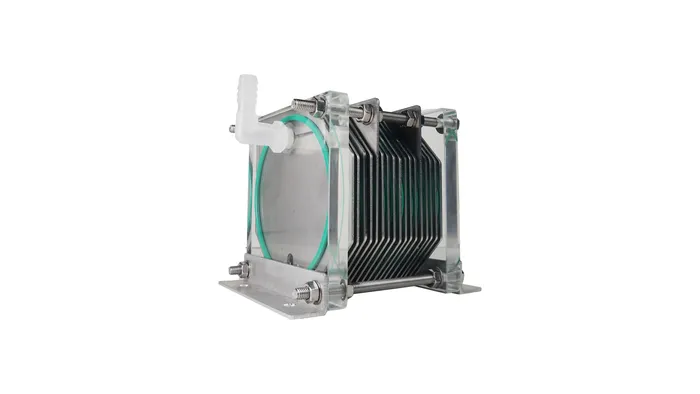
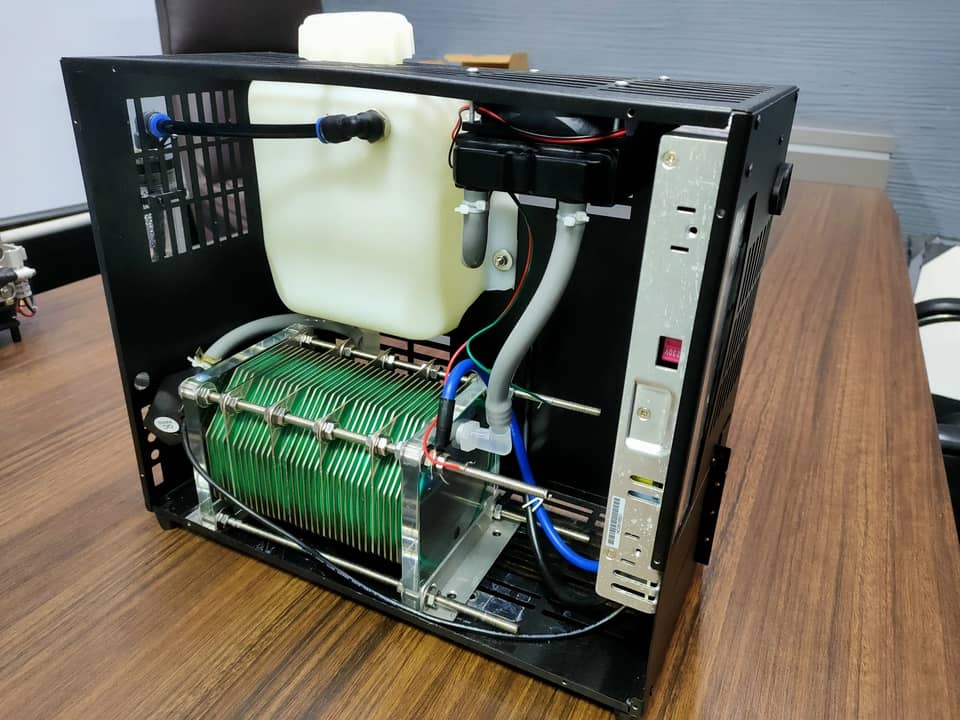
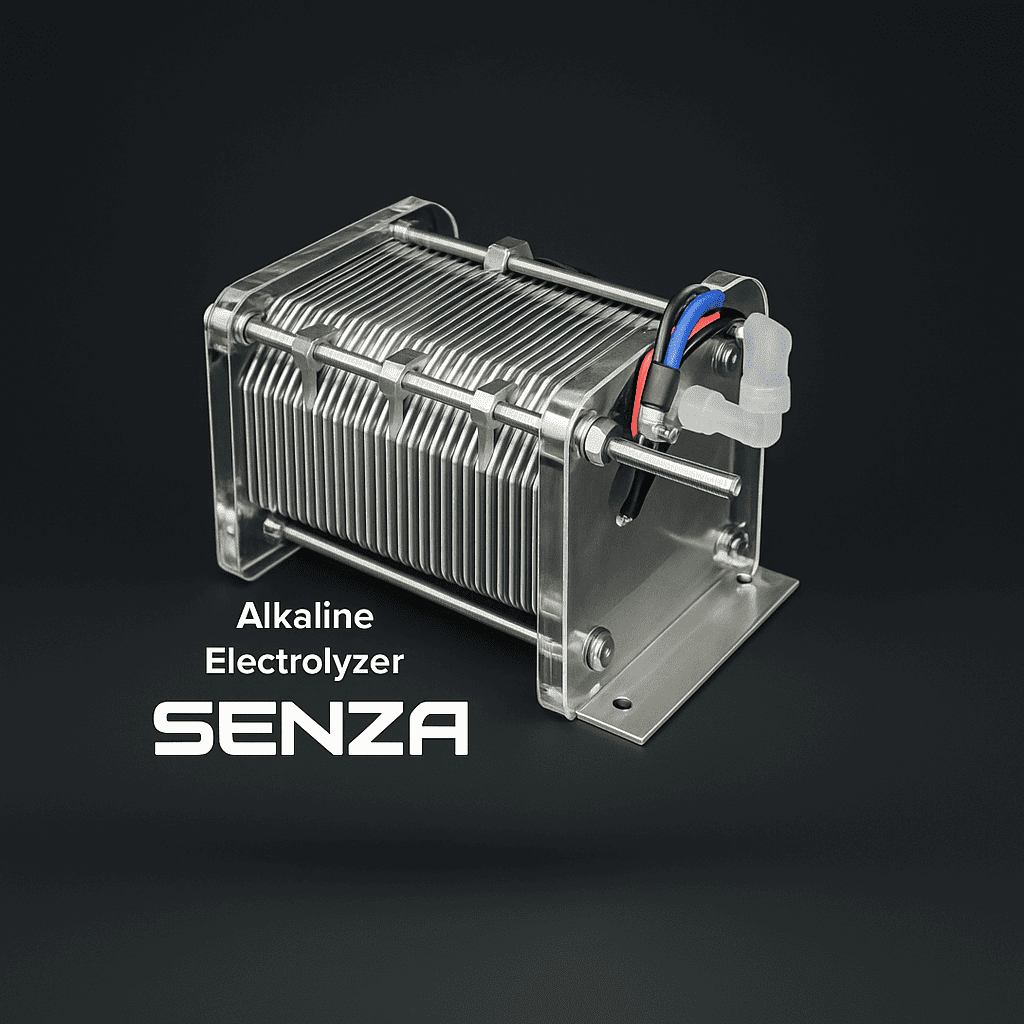
Alkaline systems, on the other hand, are robust and cost-effective, suitable for large-scale and industrial usage.
By integrating our HHO (Hydrogen-on-Demand) technology, you can reduce fuel consumption, lower emissions, and extend engine lifespan—all while contributing to global decarbonization efforts.
Technology Overview from SENZA
PEM hydrogen generators utilize advanced proton exchange membrane technology to produce hydrogen using only pure water, without the need for corrosive additives. Their compact, lightweight design and low energy consumption make them ideal for vehicles and mobile systems, offering a safe and efficient solution for on-demand hydrogen production. In contrast, alkaline hydrogen generators use a liquid electrolyte to achieve high hydrogen output, making them suitable for industrial and large-scale applications. While more robust, they require more energy and regular maintenance due to their corrosive operating conditions. Each system offers distinct advantages depending on your specific energy needs and use case.
Continue exploring